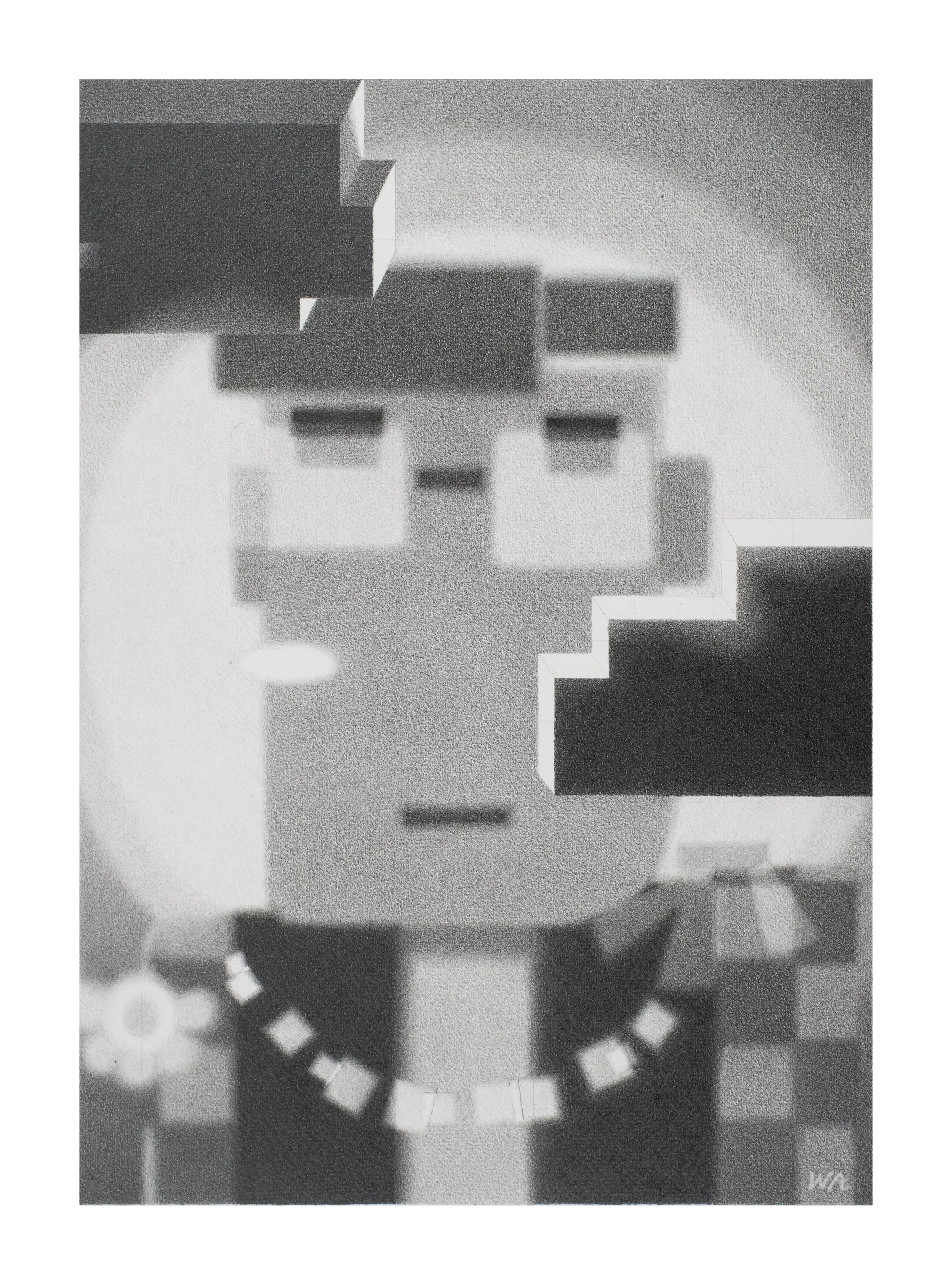
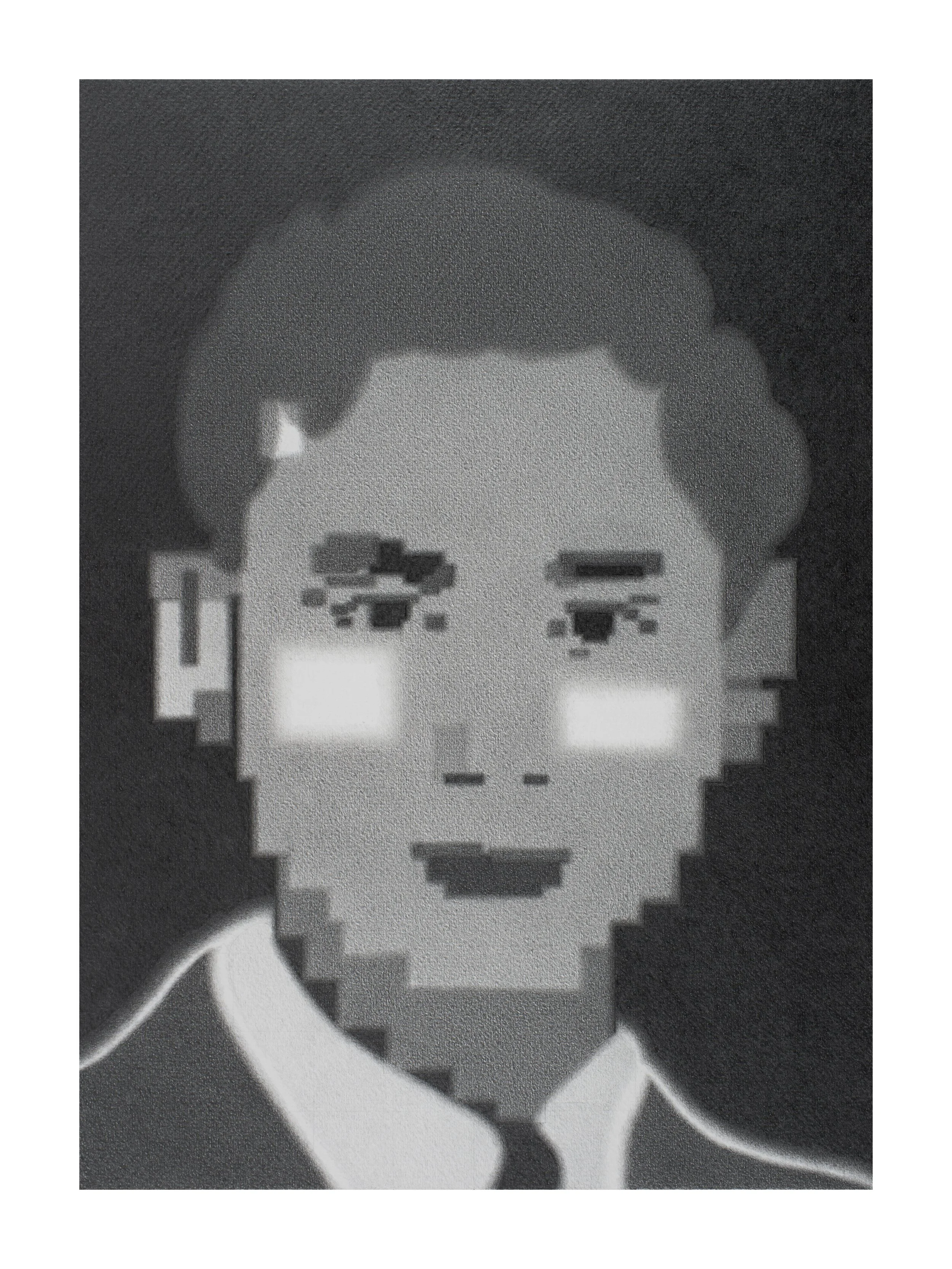
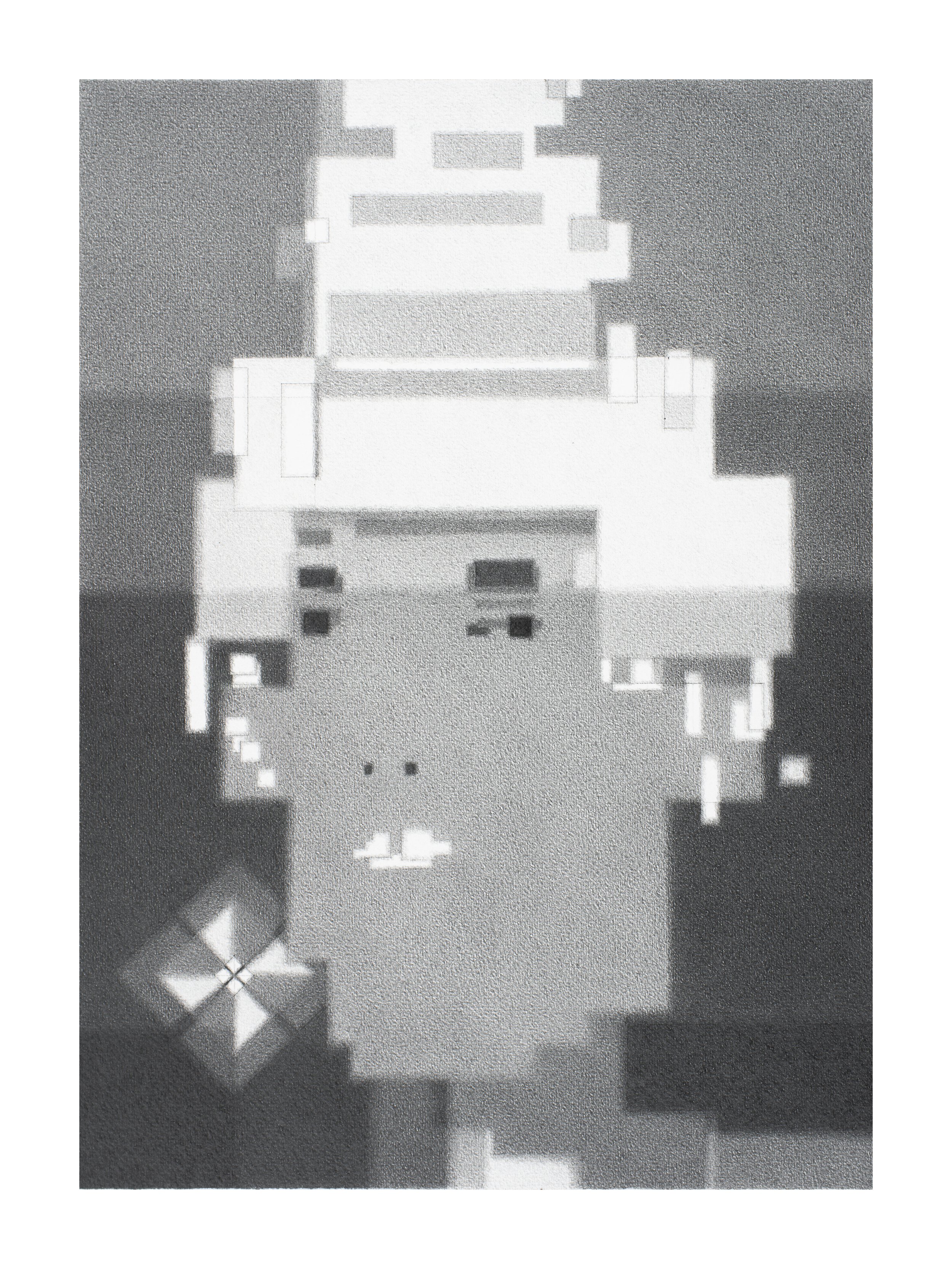
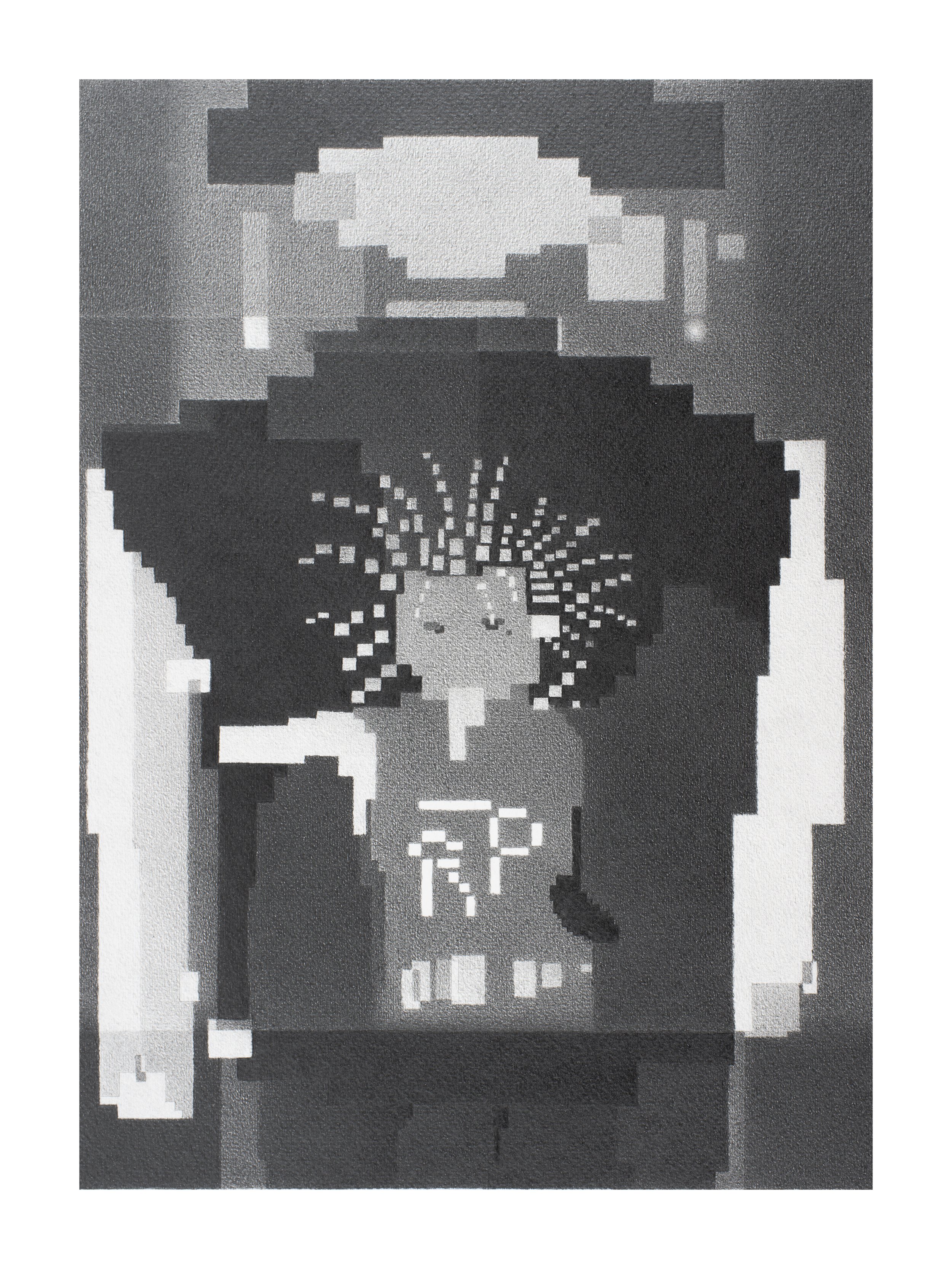
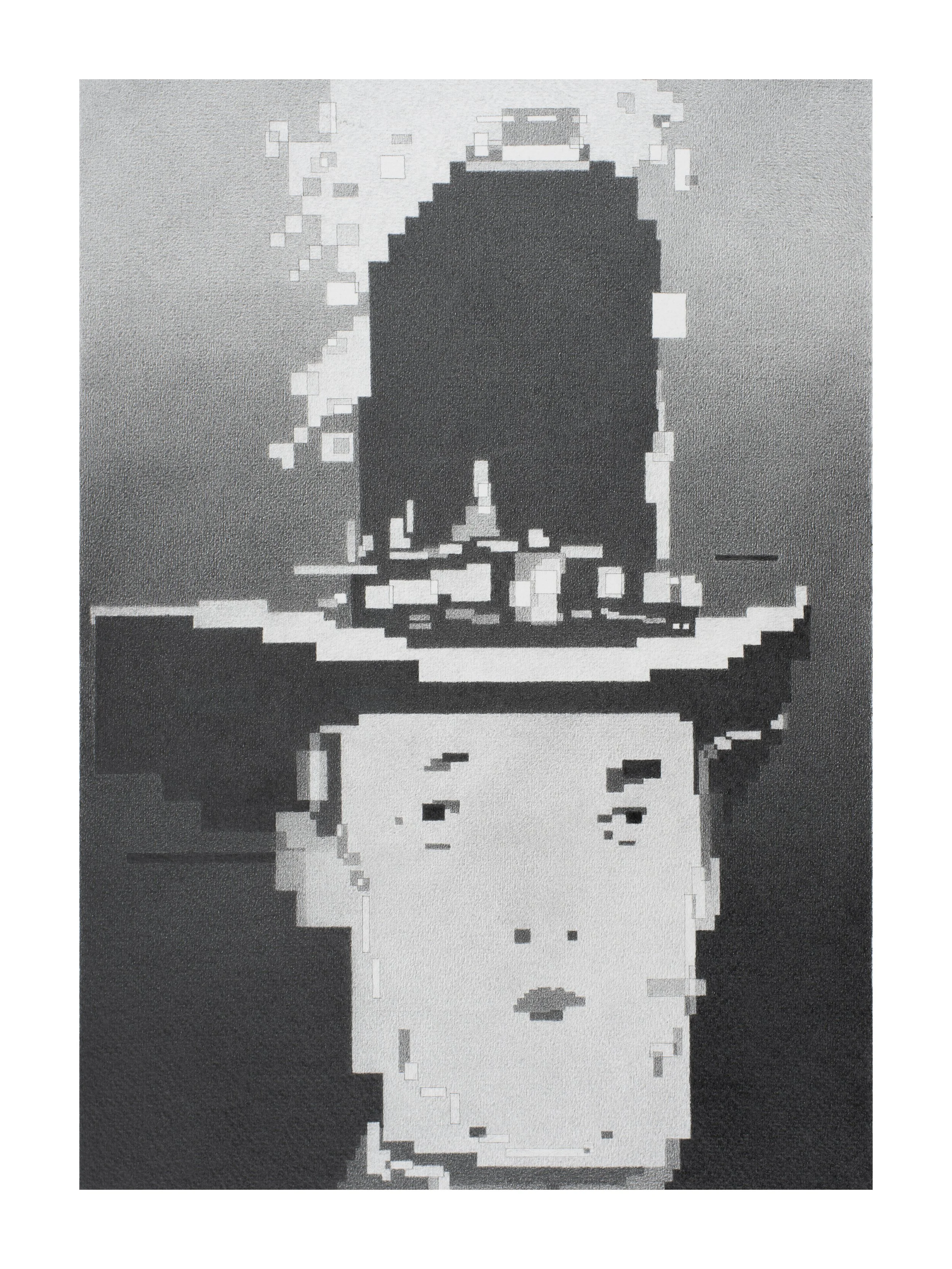
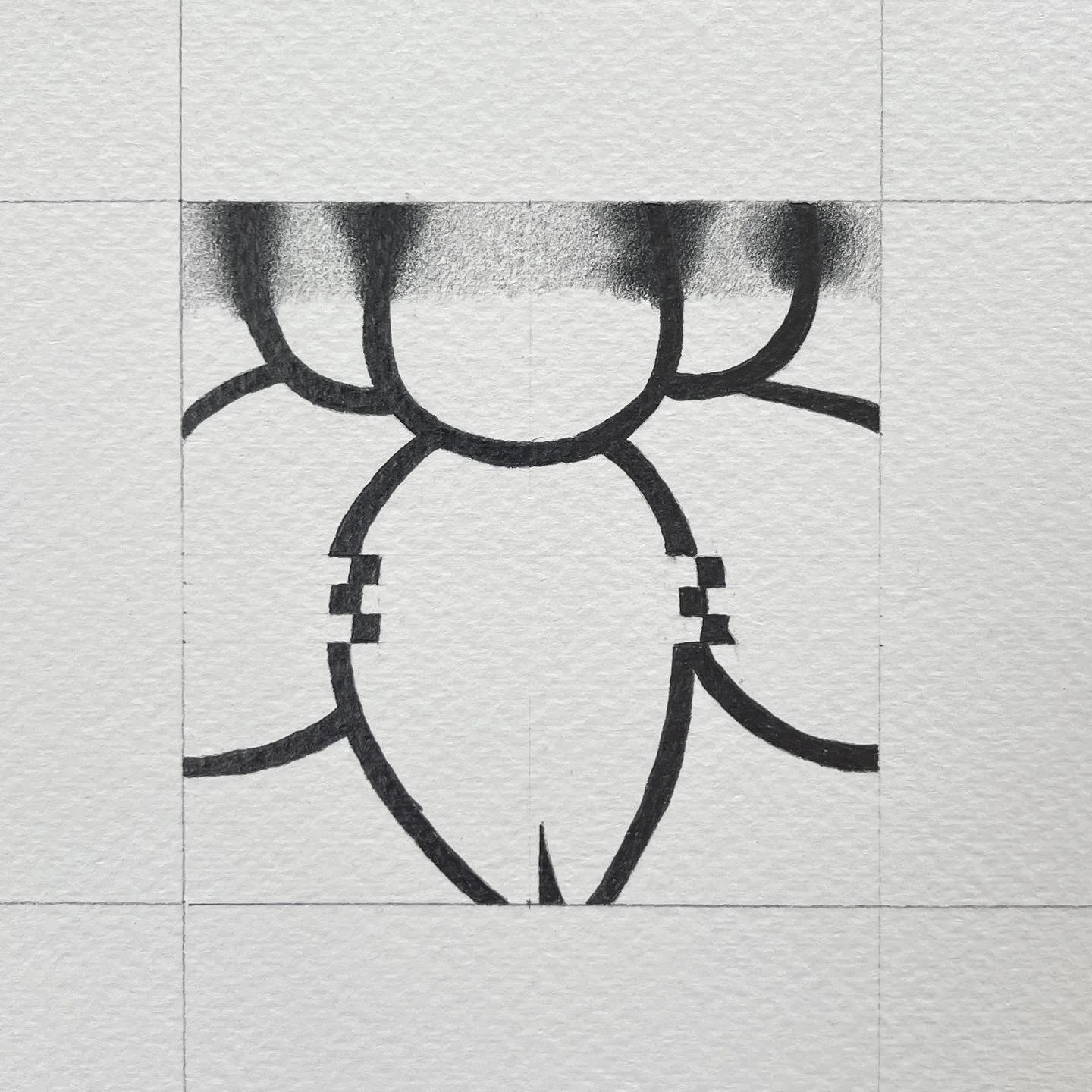
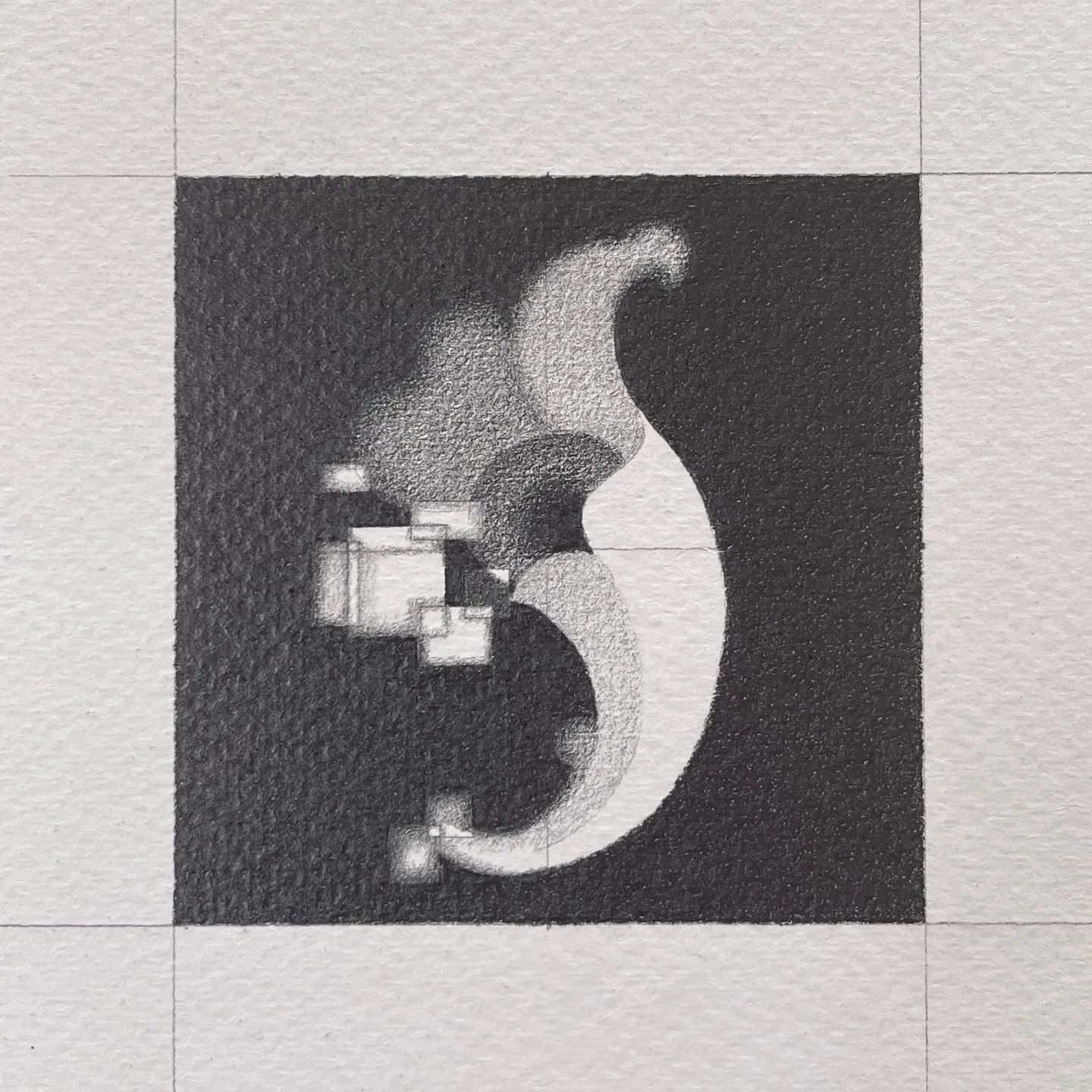
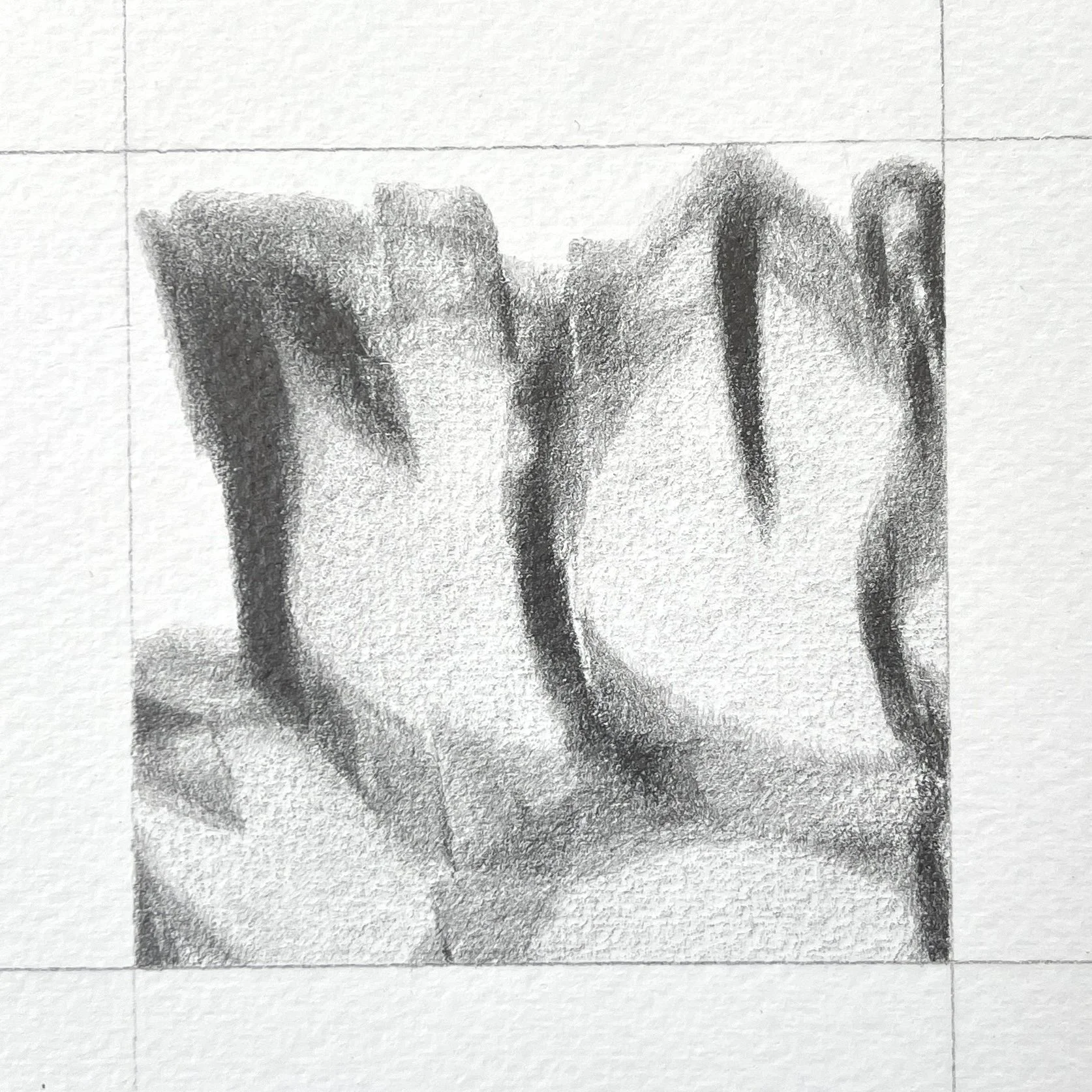
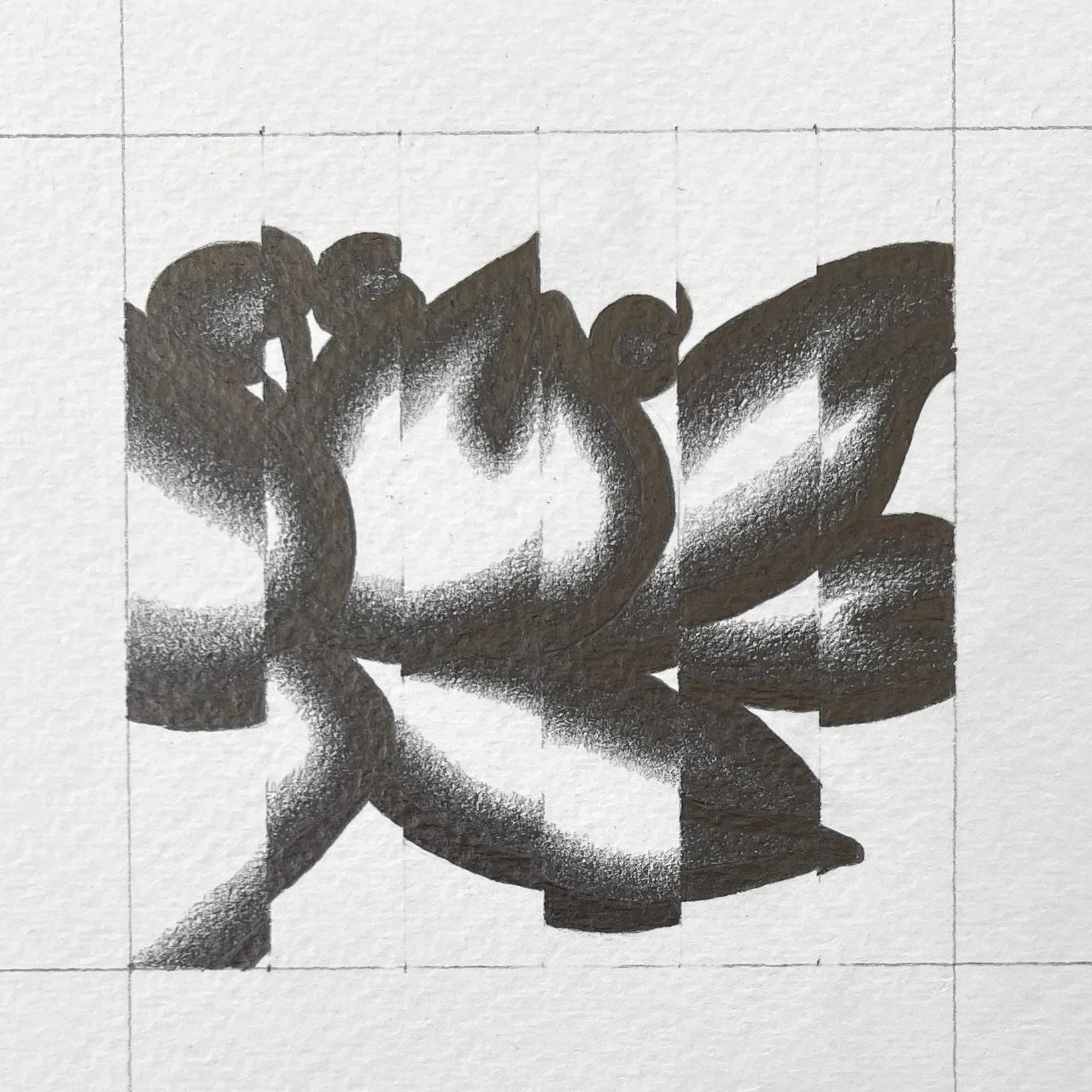
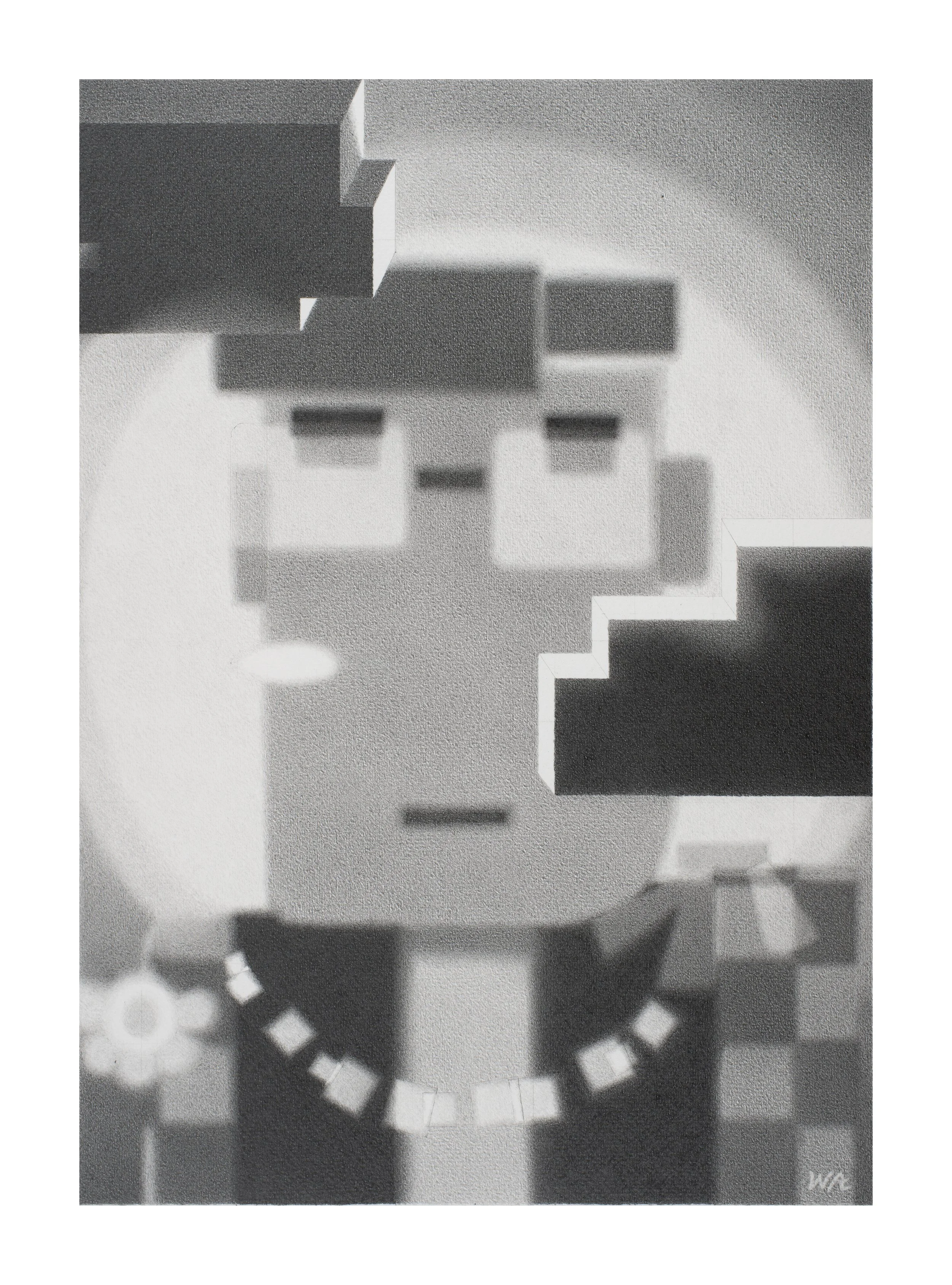
The Important Folks examines how portraits acquire authority beyond the individuals they depict. Drawing from images associated with political and cultural power, the series intentionally obscures facial details, reducing recognizable figures into simplified and unstable forms.
Rather than documenting specific individuals, these drawings investigate the mechanisms through which images generate reverence, obedience, and emotional attachment. Even when identities become indistinct, the aura surrounding certain figures often remains intact.
The work questions whether power resides in the person represented or in the symbolic systems that sustain their image. Through acts of reduction, blurring, and reconstruction, the portraits reveal how authority can persist even as visibility fades.
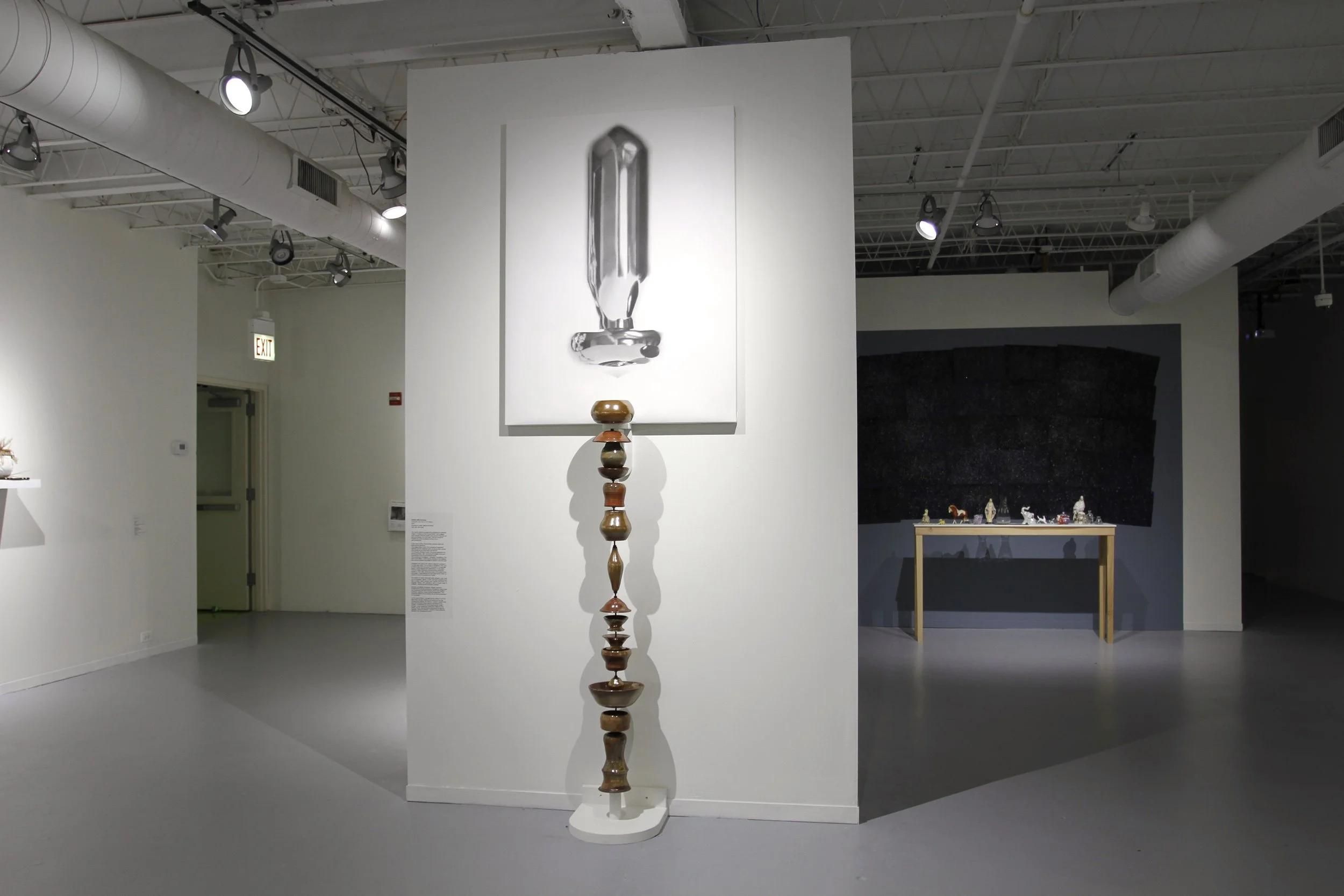
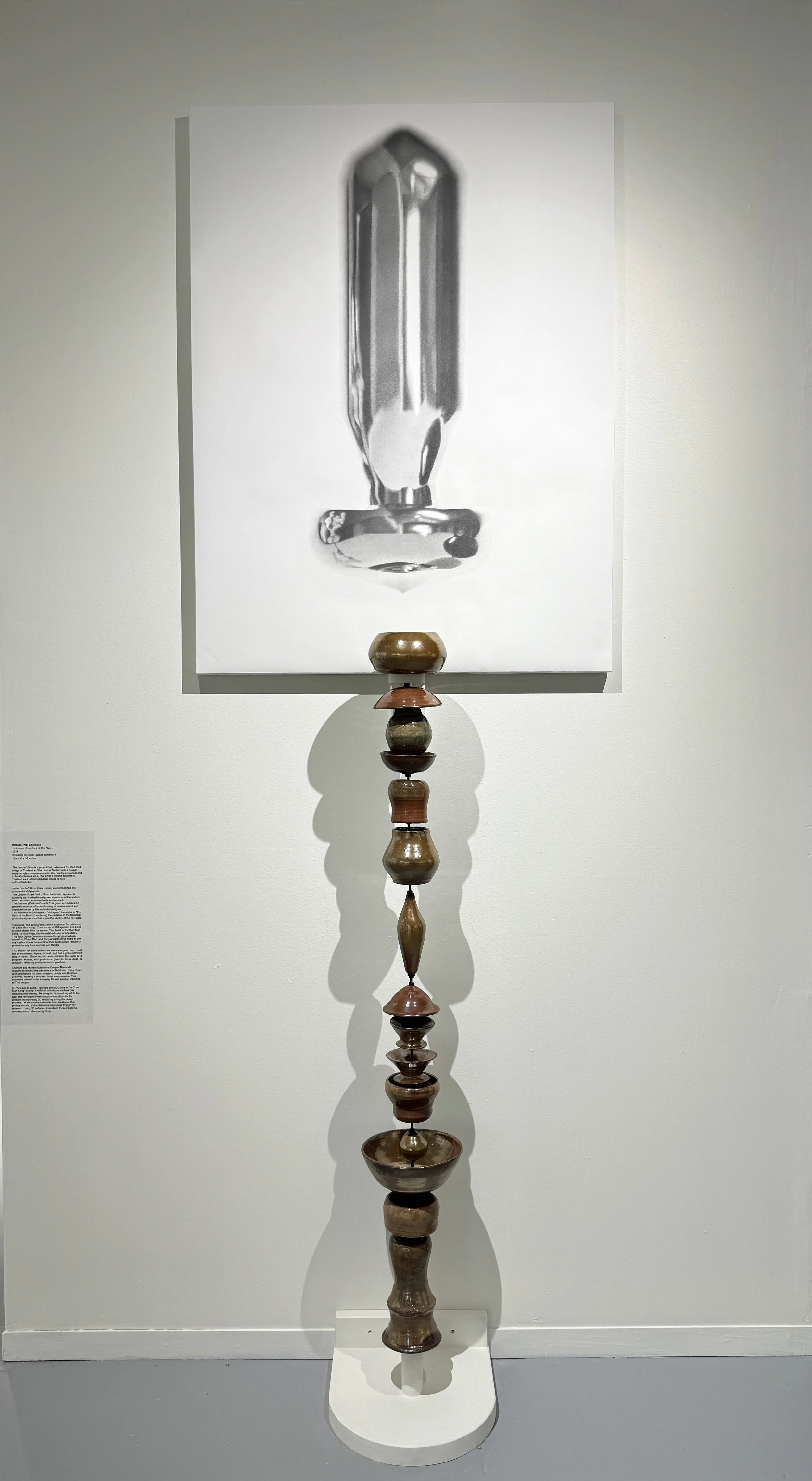
VOLKSGEIST (THE SPIRIT OF NATION)
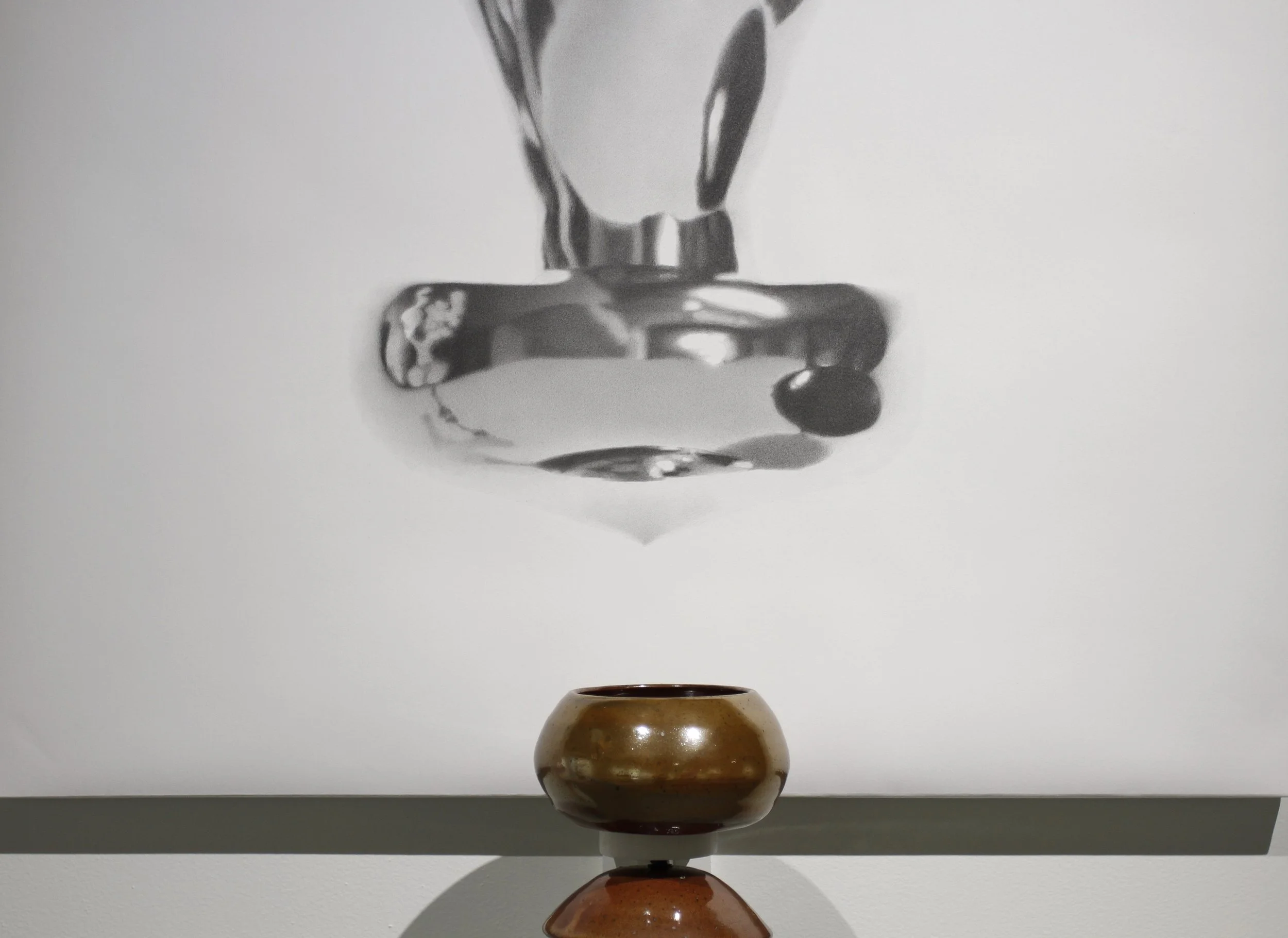
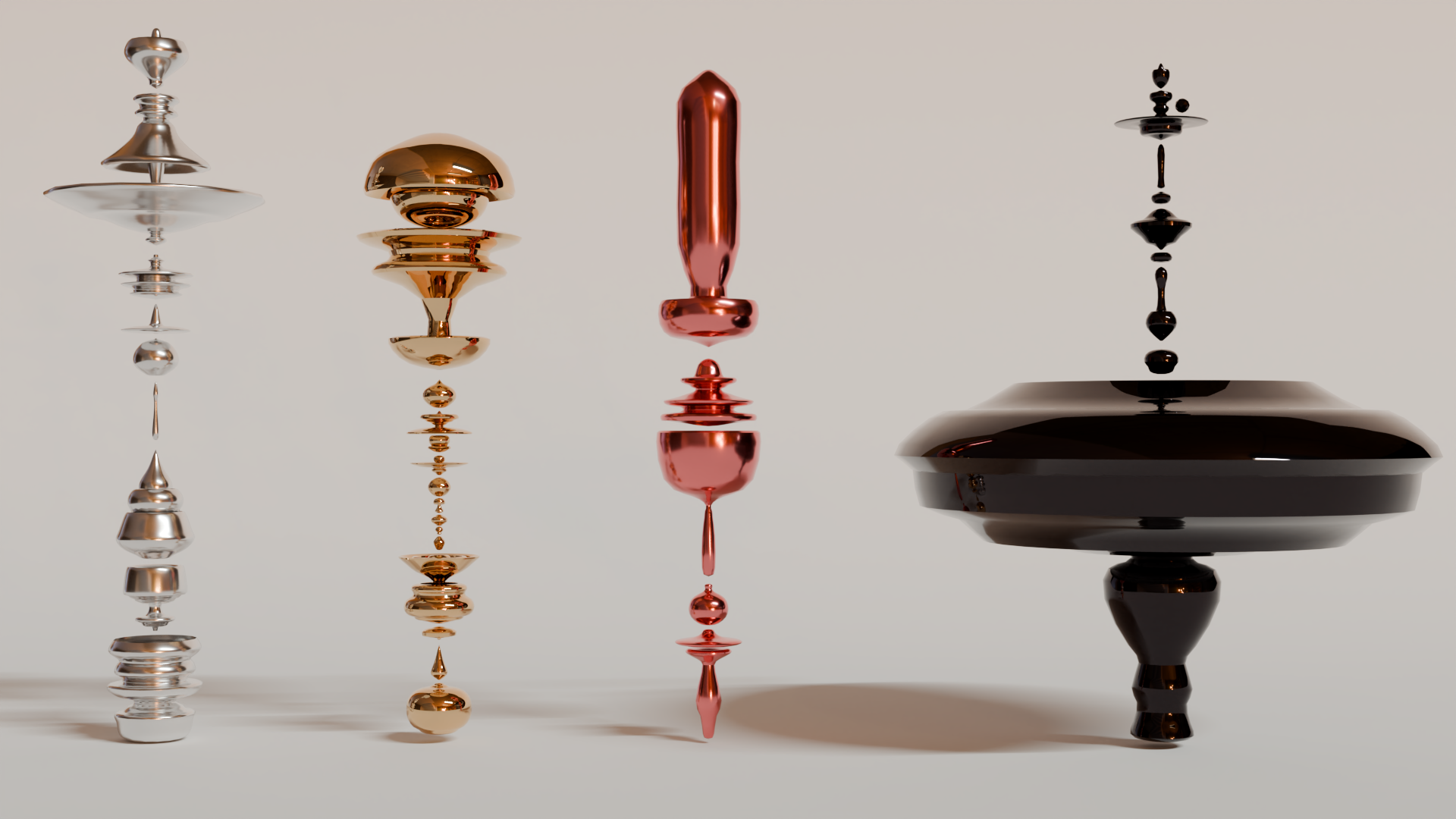
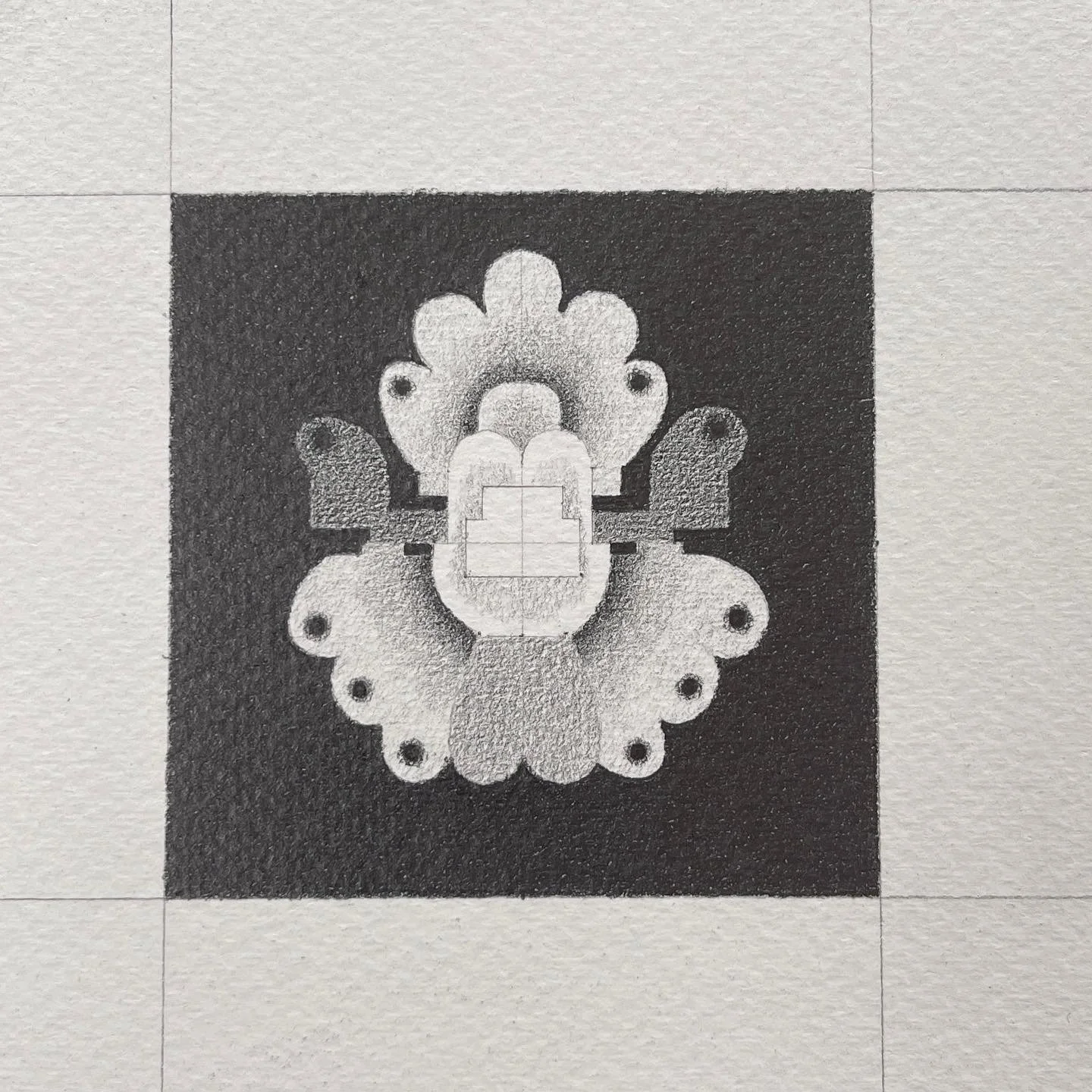
Volksgeist (The Spirit of Nation) draws upon the ancient Thai ritual In Chan Man Kong, a foundation ceremony associated with the establishment of city-states. According to historical accounts, selected individuals were buried beneath the city gates so that their spirits would continue protecting the community after death.
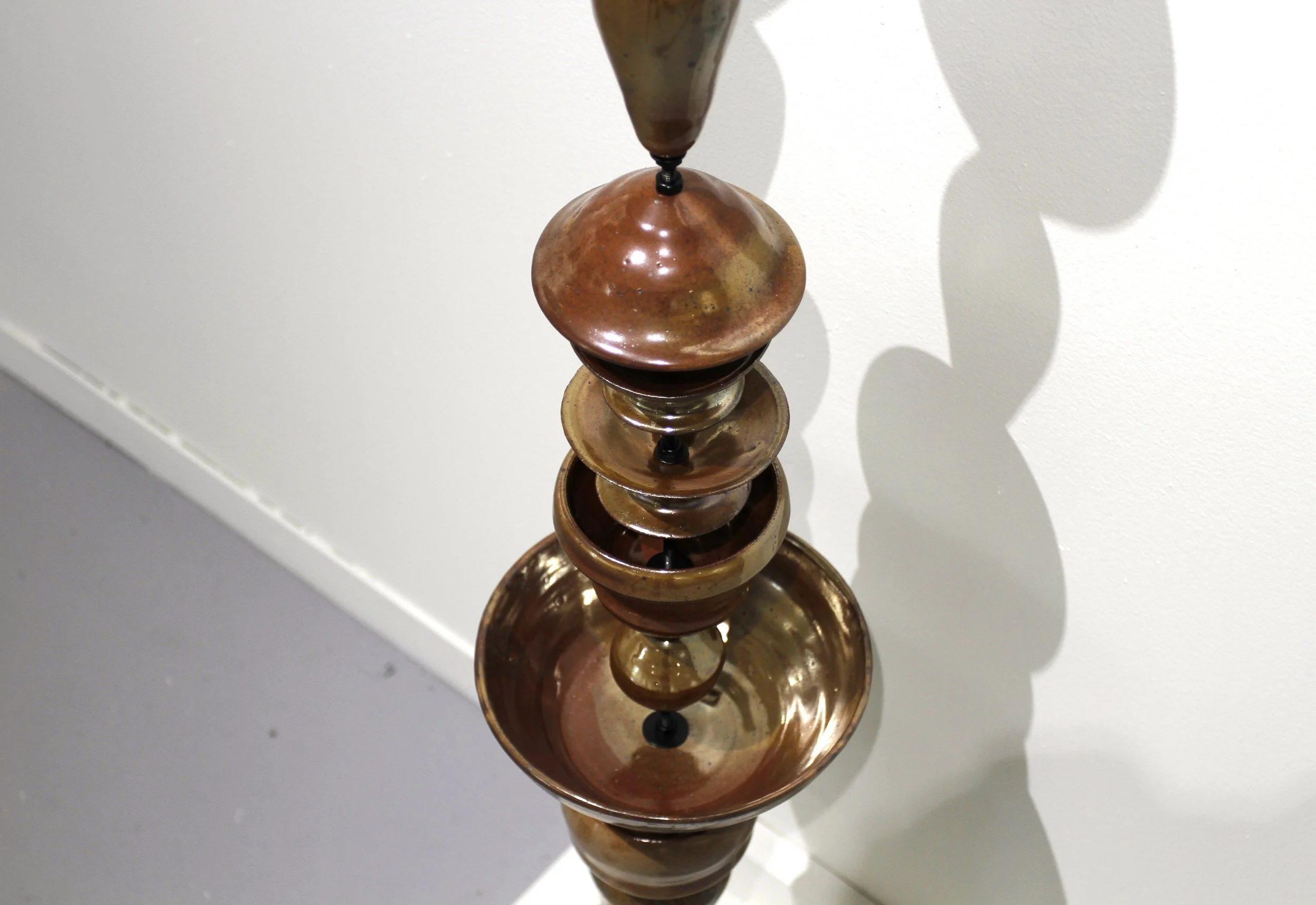
Rather than reconstructing the ritual itself, the work examines how political communities transform human lives into symbolic structures. Through drawing and ceramic forms, I investigate the process by which violence becomes myth, sacrifice becomes virtue, and individual bodies become vessels for collective belief.
The work considers the nation not as a fixed entity but as an accumulation of stories, rituals, and images that materialize invisible systems of power. The objects presented here function as unstable monuments—simultaneously fragile and authoritative—revealing how belief is continuously produced through symbols and their circulation.
Graphite on paper and Glazed stoneware
36x15x108 inches
3D Rendered
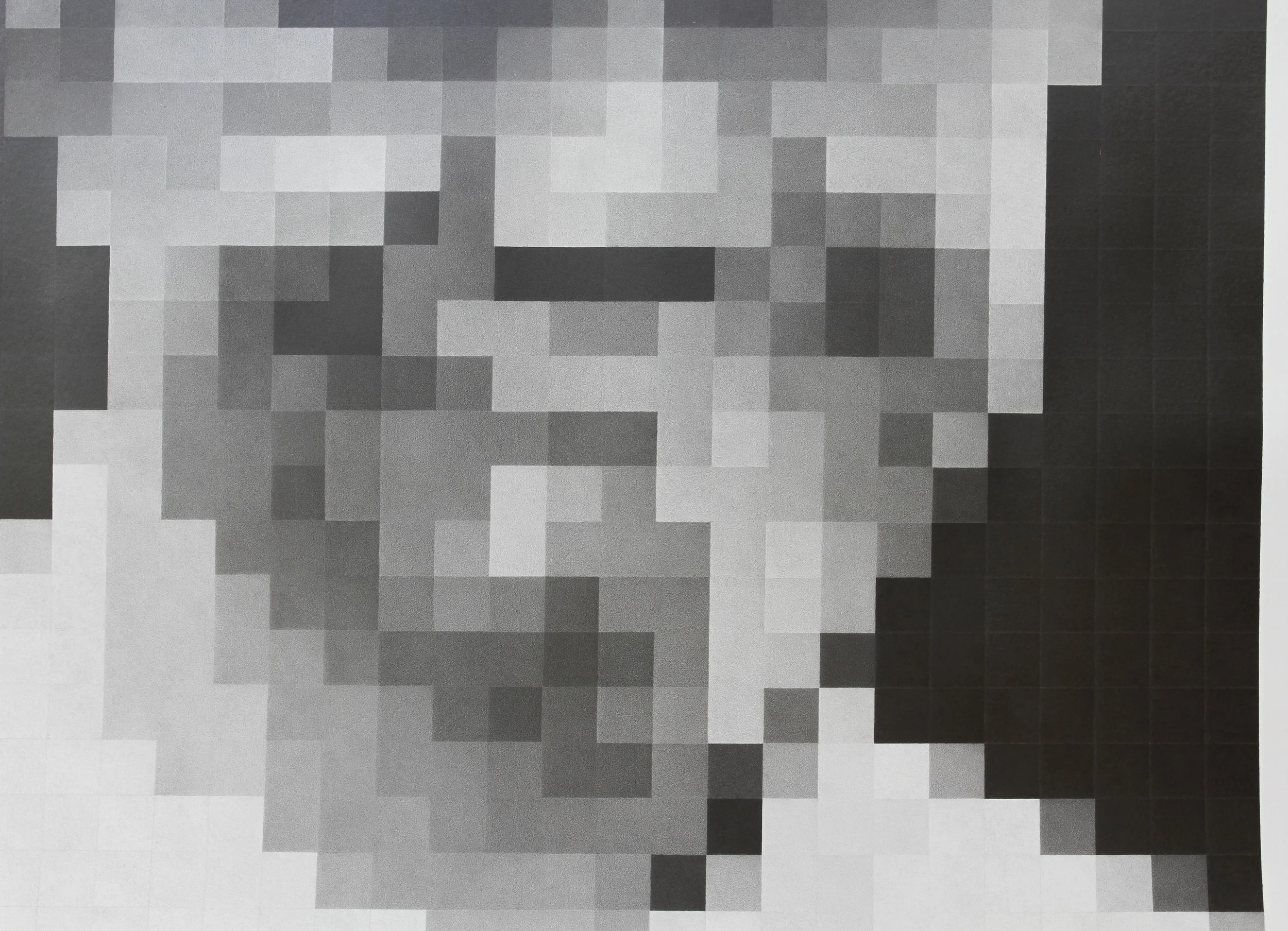
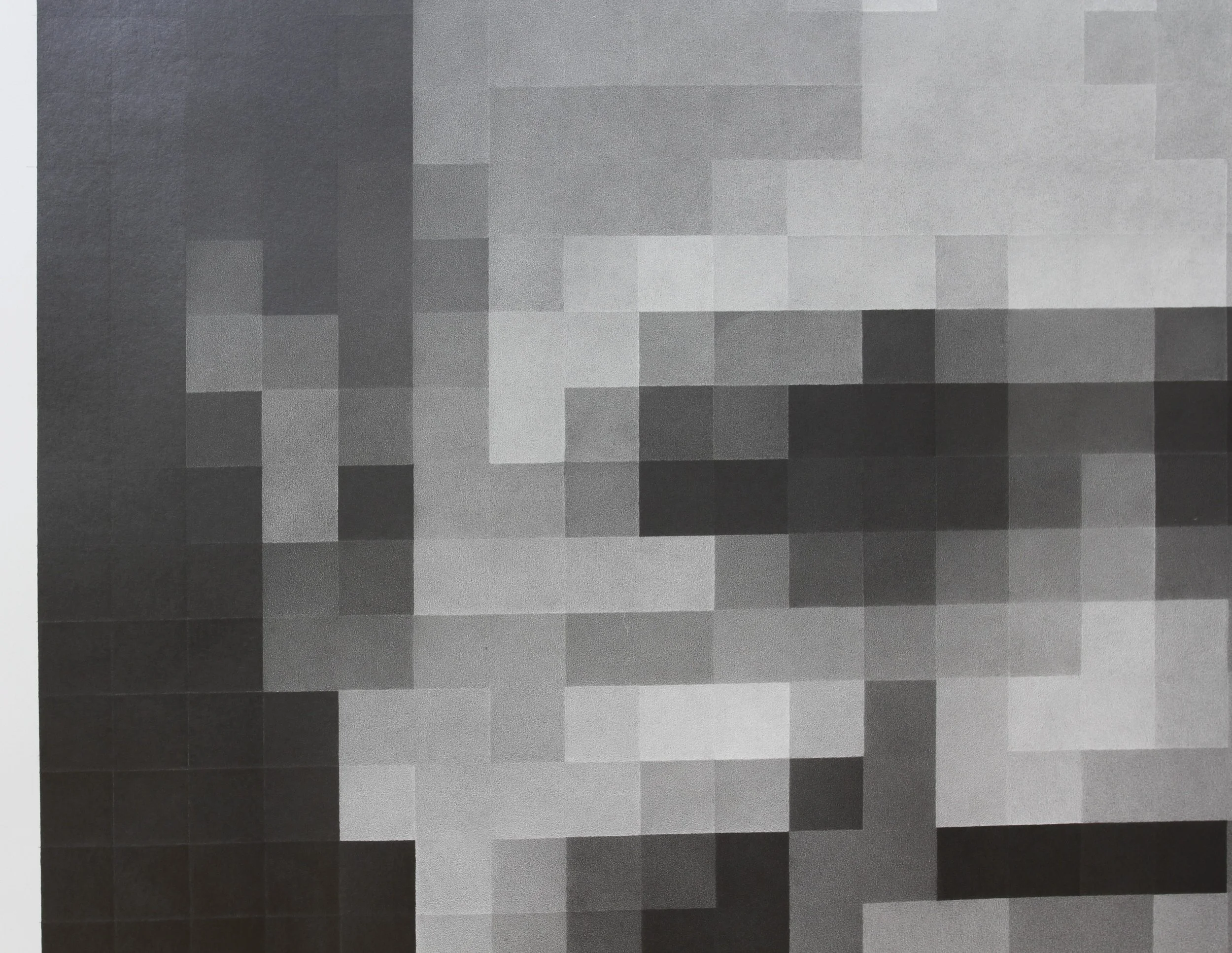
The Portrait of 2B originates from my long-term engagement with drawing and my ongoing interest in the political life of images. Over the past decade, Thailand has undergone profound political and social transformations. During this period, I accumulated numerous digital images from the internet—screenshots, compressed files, and low-resolution reproductions that circulated rapidly across online platforms.
Although these images often appear visually degraded, their influence remains remarkably powerful. They shape public memory, provoke emotional responses, and participate in the construction of collective beliefs. Rather than restoring their original clarity, I deliberately preserve their pixelated condition.
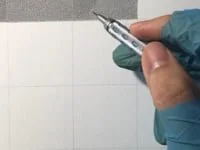
Using only a 2B pencil, I painstakingly reconstruct these fragmented images by hand. The labor-intensive process contrasts with the speed and disposability of digital circulation. Through drawing, the work transforms a transient digital file into a physical object, inviting reflection on how images acquire value, authority, and affect regardless of their material quality.
The portrait is therefore less concerned with the individual depicted than with the image itself—its journey, its persistence, and its capacity to exert influence long after its original context has faded.
2B on paper. 68” x 50” inches
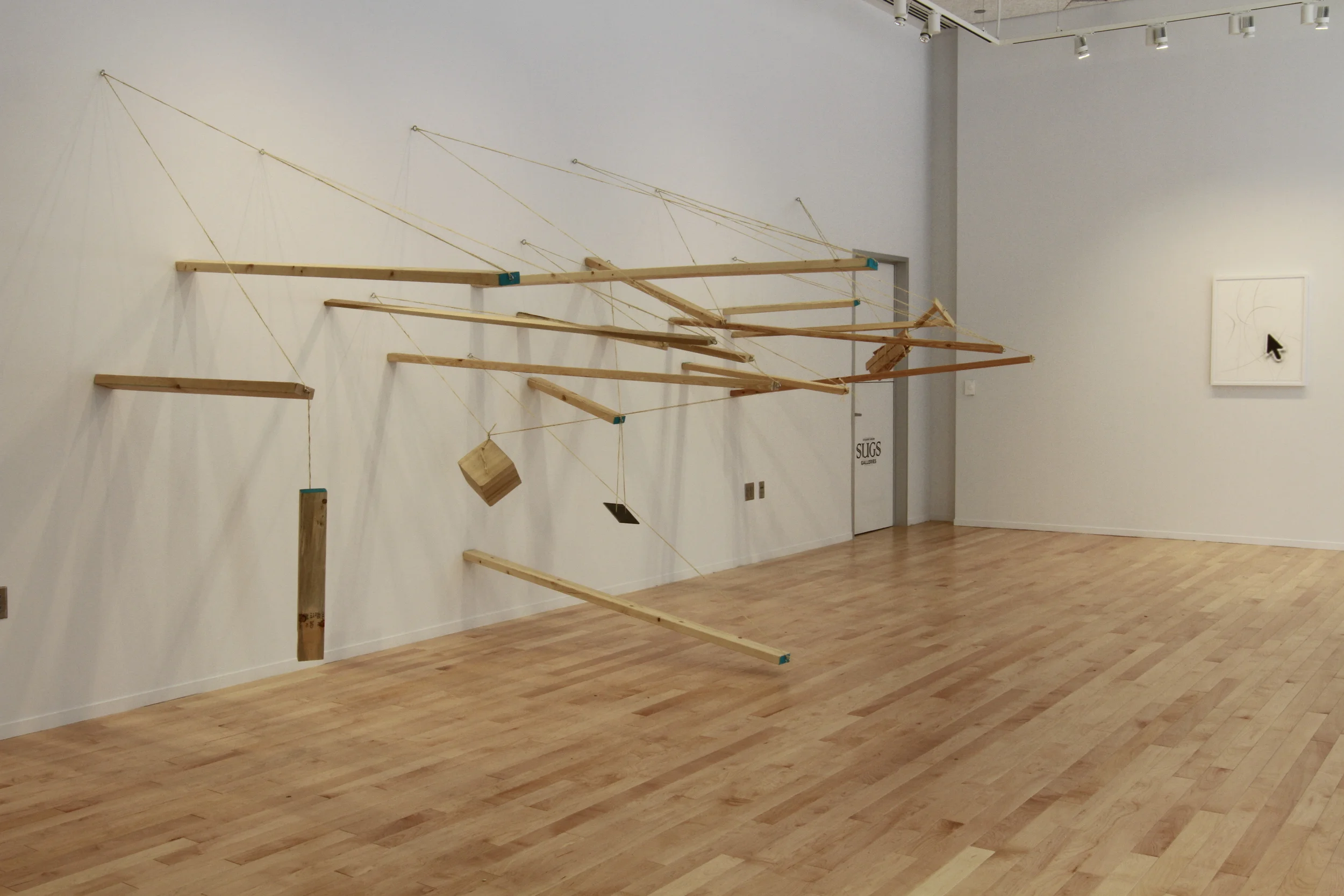
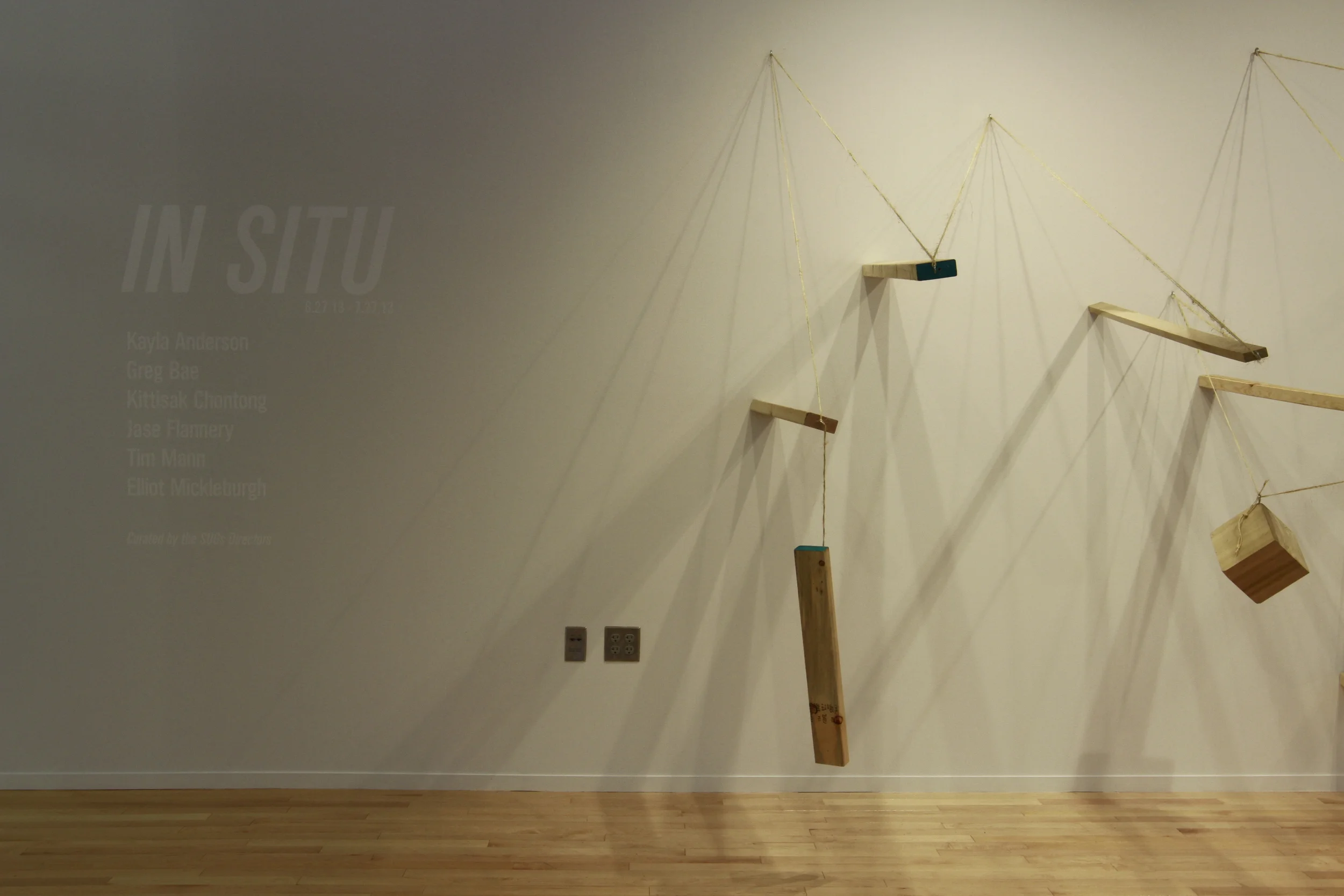
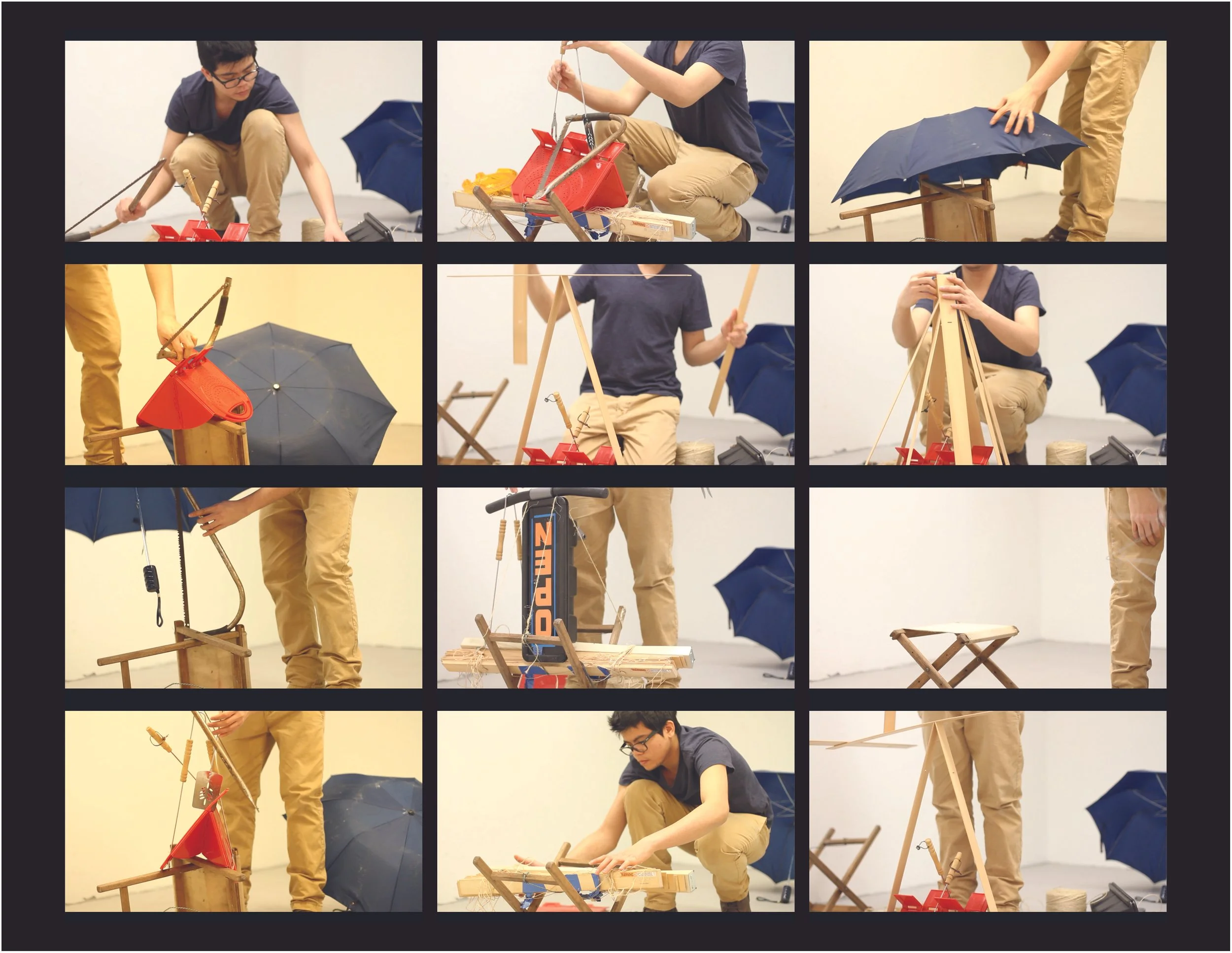
Hanging Sticks is a suspended structure composed of lumber and twine held together solely through tension. Without nails, screws, or adhesive, the work exists in a state of continuous negotiation between balance and collapse.
Rather than presenting stability as a fixed condition, the installation reveals it as something actively maintained through a network of interdependent relationships. Each element relies upon the others, creating a system in which minor shifts can affect the entire structure.
The work emerged from an interest in how fragile arrangements come to appear permanent and trustworthy. By exposing the mechanics of support, dependency, and risk, Hanging Sticks invites reflection on the unseen forces that sustain social, political, and symbolic systems. What appears stable may in fact be precarious, while what appears fragile may persist through collective tension and mutual reliance.
Lumbers and Twine
20’ x 8’ x 10’ feet
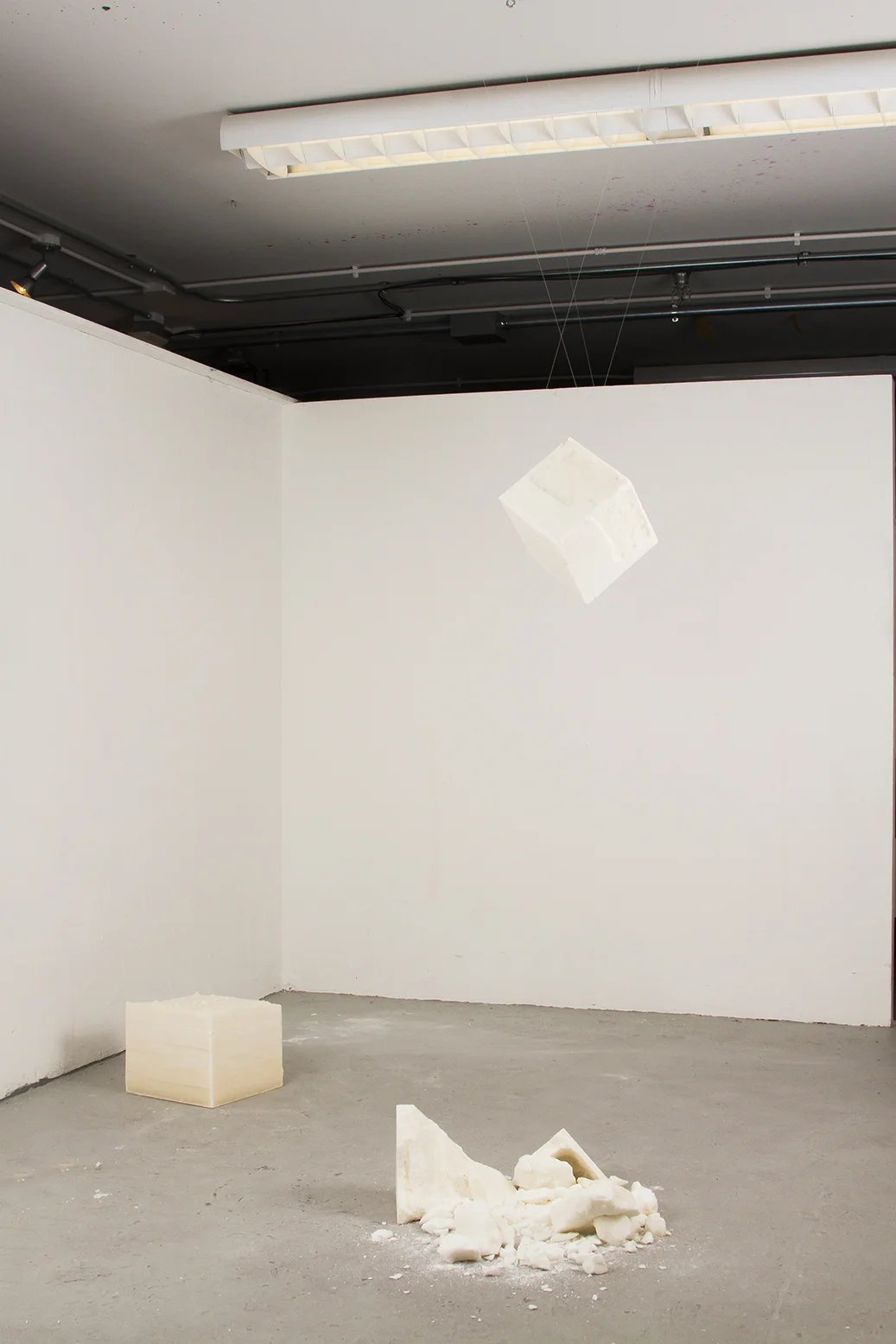
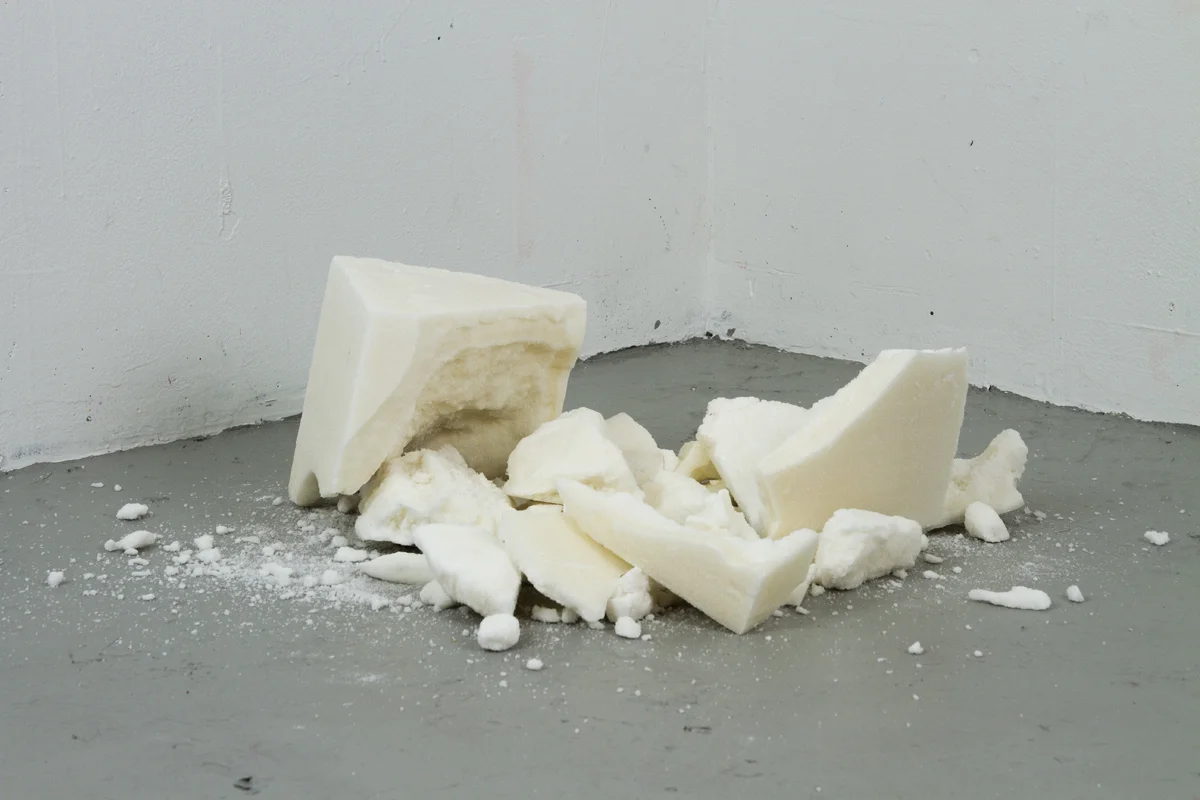
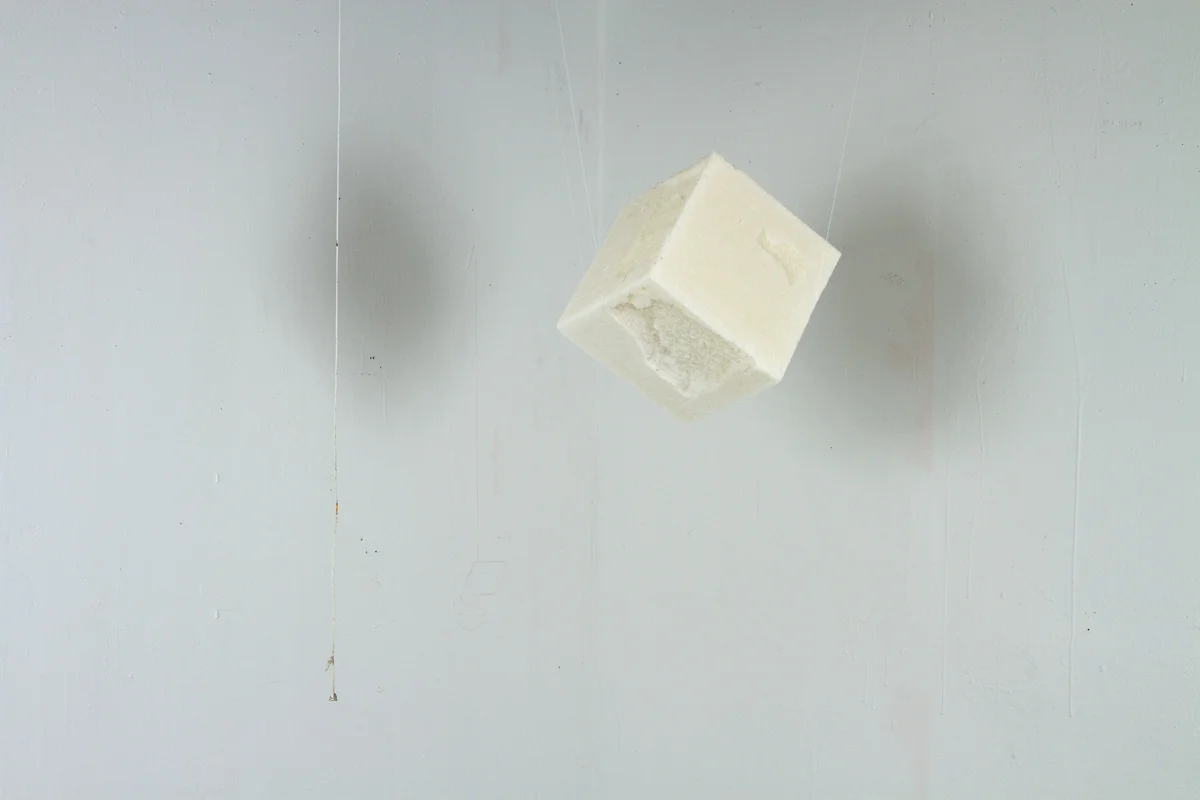
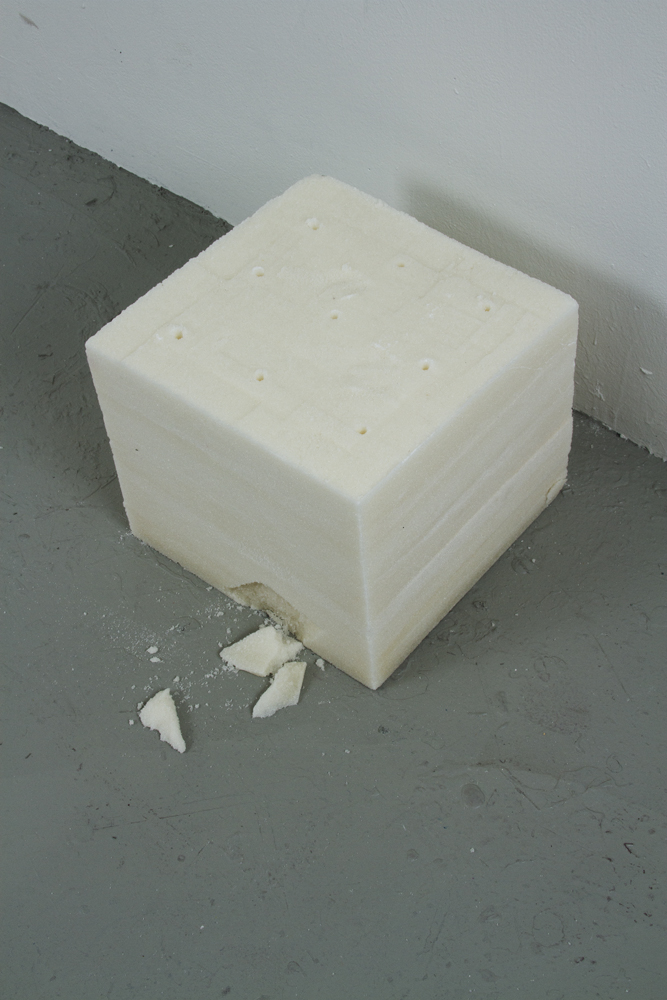
“Traps in a Studio” is a series of ephemeral sculptures I created using the studio space and its elements as the primary structure. In the piece “Sugar Cube,” I use sugar as the main material, emphasizing its fragility and the way it can condense into cubes. The cubes are suspended from the ceiling with invisible thread, giving the illusion that they are floating. However, this thread is connected to the ceiling light switch, forming a trap system - if the switch is triggered, the cube will fall.
Another piece in the series, “Beware,” is constructed from small pieces of MDF. These wooden pieces are installed at the entrance of the studio, held together by the tension between each piece. The rows are positioned at eye and shin height, creating a deliberately uncomfortable situation for anyone entering, heightening the sense of caution and physical awareness in the space.
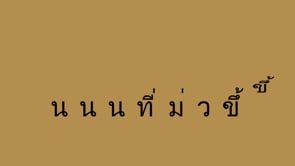
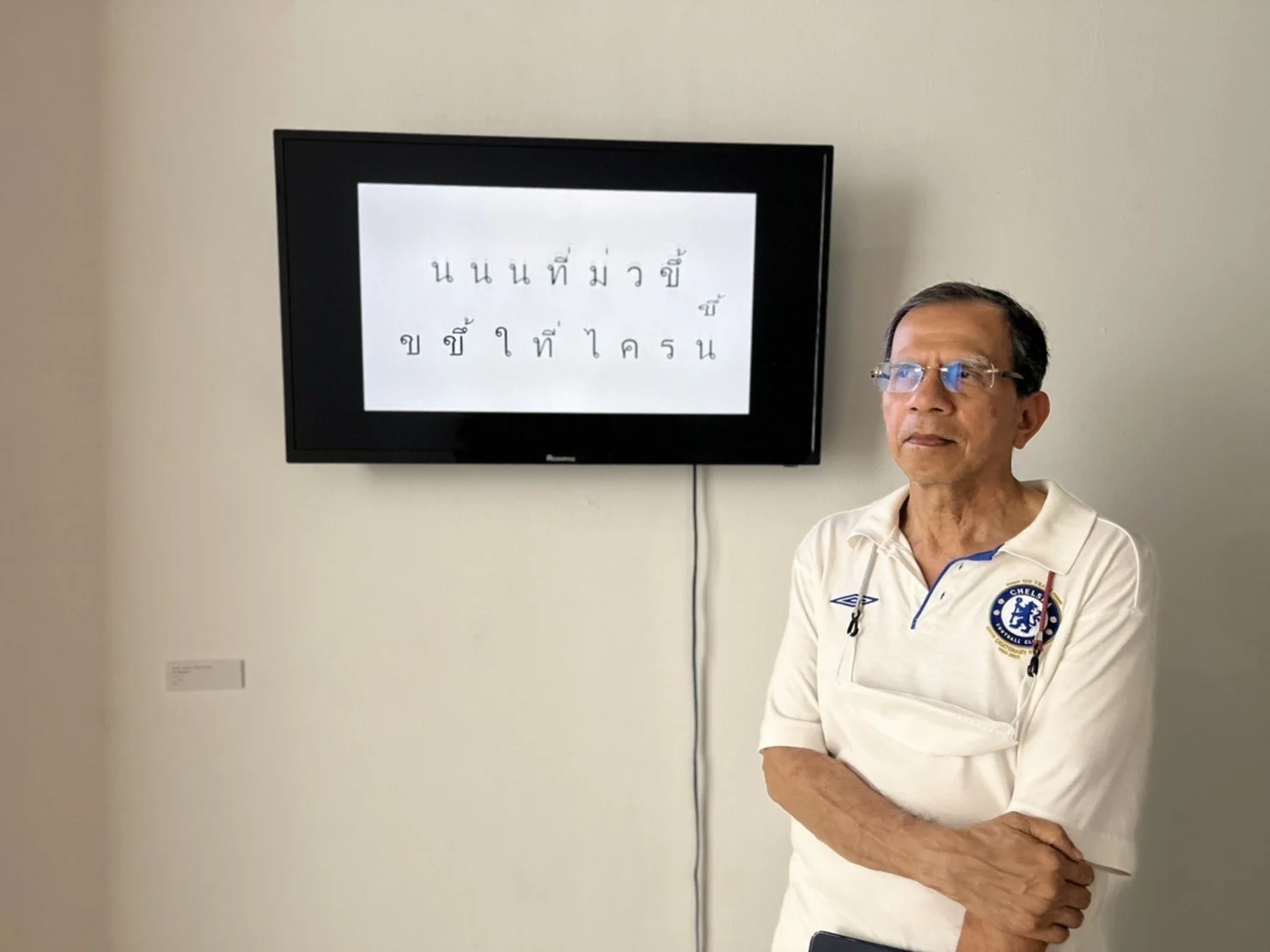
Wrong Place Wrong Hair is a looping text-based video that examines the instability of language and its relationship to political memory. Words drift, vibrate, and partially disappear, frustrating the viewer's attempt to read them clearly. Only briefly does the full phrase reveal itself before dissolving again into motion.
The work originates from a statement made by a prominent public figure in Thailand. Rather than presenting the quotation as a fixed historical document, the video treats it as a living fragment that continues to circulate, mutate, and acquire new meanings over time.
By disrupting legibility, the work highlights the gap between language and interpretation. What remains in collective memory is often not the original statement itself but its echoes, distortions, and repeated retellings. The video explores how political language persists beyond its moment of utterance, transforming into a symbolic form that continues to shape public perception long after its original context has faded.
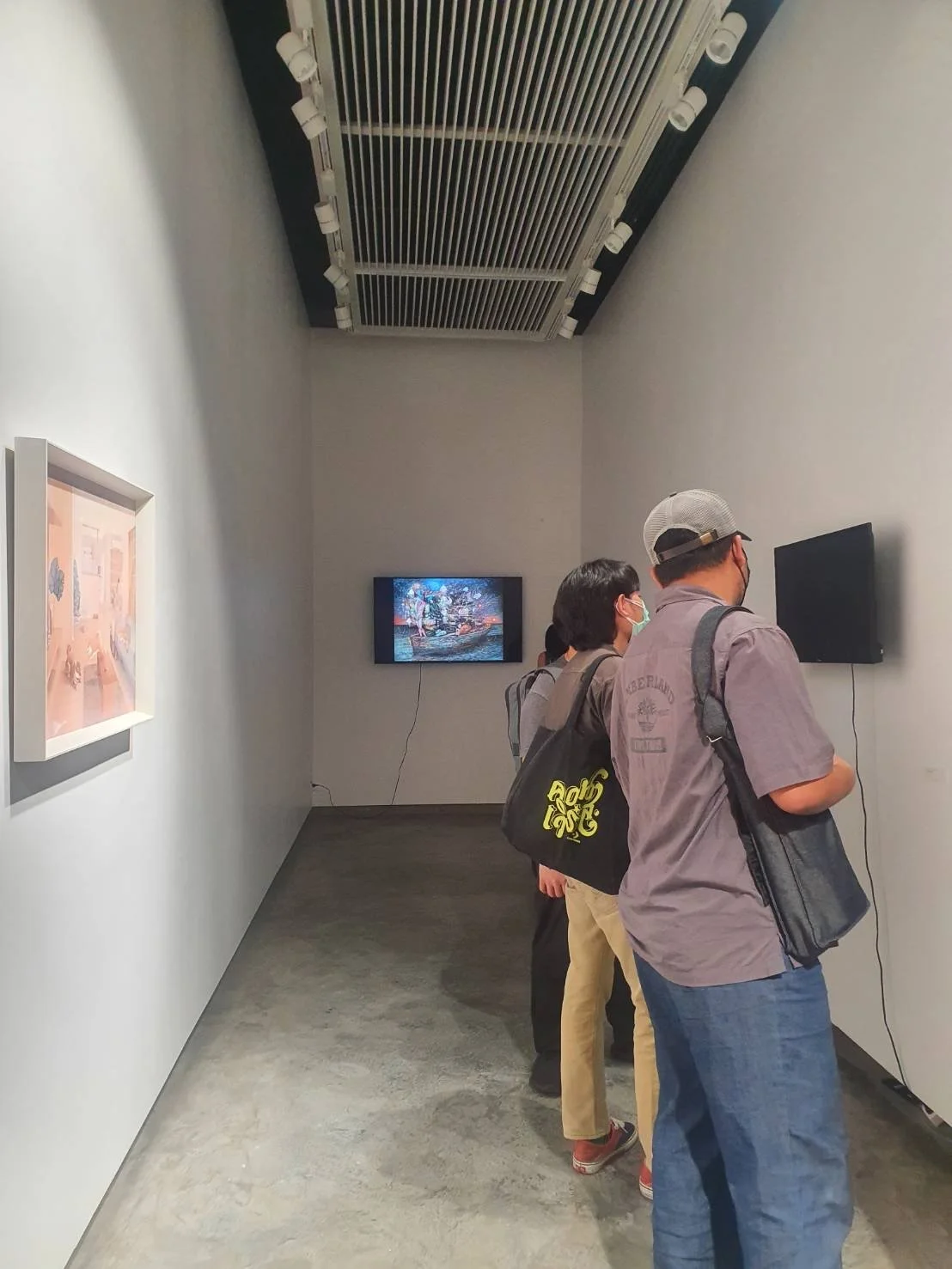
Over The Parallel at PSG Art Gallery, Bangkok 2022